Ramen au bouillon cacahuète & gochujang by @simonauscher
2 servings
🍜
300 g
Fresh ramen noodles
🍗
500 ml
Chicken
🫗
15 ml
Sesame oil
🧄
3 g
Garlic
🌶️
15 g
Gochujang
🥜
32 g
Peanut butter
🥬
100 g
Pak choi
🥢
45 ml
Soy sauce
🥚
6 large eggs
Tamago egg
 Chop

 garlic
 pak choi
Finely chop 1 garlic clove and thinly slice 100 g pak choi.
 Boil
 water
 Tamago egg
Bring a saucepan of water to a rolling boil for the eggs.
 Cook
- egg
Gently lower 6 eggs into the boiling water and cook for exactly 6 minutes.
 Transfer

- egg
- ice water
Transfer the cooked eggs to a bowl of ice water and cool completely to stop cooking.
- Peel
- egg
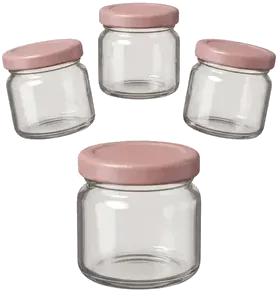
Peel the cooled eggs carefully and place them in a lidded container.
 Mix
 soy sauce
 mirin
- water
Mix 30 ml soy sauce, 100 ml mirin, and 200 ml water to make the tamago marinade.
 Pour
- egg
- soy sauce
- mirin
Pour the marinade over the eggs until fully submerged and refrigerate for at least 240 minutes.
- Heat
 sesame oil
Heat 15 ml sesame oil in a pot over medium heat.
 Add
- garlic
Add the chopped garlic and cook until lightly golden without burning it.
- Stir
- gochujang
 unsweetened peanut butter
Stir in 15 g gochujang and 32 g unsweetened peanut butter.
- Roast

- gochujang
- unsweetened peanut butter
Roast the gochujang-peanut mixture for 1 to 2 minutes until lightly caramelized.
- Whisk
 chicken broth
Gradually whisk 500 ml chicken broth into the paste until the broth is smooth.
- Simmer
Simmer the broth gently for 5 minutes.
- Add
 fresh ramen noodles
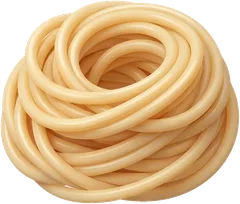
Add 300 g fresh ramen noodles directly to the simmering broth.
- Cook
- fresh ramen noodles
Cook the noodles according to package directions, stirring gently to separate them.
- Add
- pak choi
- Fresh ramen noodles
Add the sliced pak choi 1 minute before the noodles finish cooking.
- Stir
- soy sauce
Taste the broth and stir in the remaining 15 ml soy sauce if needed.
 Divide

- egg
- Fresh ramen noodles
Divide the ramen and broth between 2 bowls, then halve and add 1 tamago egg to each serving.
Ramen au bouillon cacahuète & gochujang by @simonauscher
2 servings
🍜
300 g
Fresh ramen noodles
🍗
500 ml
Chicken
🫗
15 ml
Sesame oil
🧄
3 g
Garlic
🌶️
15 g
Gochujang
🥜
32 g
Peanut butter
🥬
100 g
Pak choi
🥢
45 ml
Soy sauce
🥚
6 large eggs
Tamago egg
Preparation Steps
Step 1/18
Finely chop 1 garlic clove and thinly slice 100 g pak choi.
Step 2/18
Bring a saucepan of water to a rolling boil for the eggs.
Step 3/18
Gently lower 6 eggs into the boiling water and cook for exactly 6 minutes.
Step 4/18
Transfer the cooked eggs to a bowl of ice water and cool completely to stop cooking.
Step 5/18
Peel the cooled eggs carefully and place them in a lidded container.
Step 6/18
Mix 30 ml soy sauce, 100 ml mirin, and 200 ml water to make the tamago marinade.
Step 7/18
Pour the marinade over the eggs until fully submerged and refrigerate for at least 240 minutes.
Step 8/18
Heat 15 ml sesame oil in a pot over medium heat.
Step 9/18
Add the chopped garlic and cook until lightly golden without burning it.
Step 10/18
Stir in 15 g gochujang and 32 g unsweetened peanut butter.
Step 11/18
Roast the gochujang-peanut mixture for 1 to 2 minutes until lightly caramelized.
Step 12/18
Gradually whisk 500 ml chicken broth into the paste until the broth is smooth.
Step 13/18
Simmer the broth gently for 5 minutes.
Step 14/18
Add 300 g fresh ramen noodles directly to the simmering broth.
Step 15/18
Cook the noodles according to package directions, stirring gently to separate them.
Step 16/18
Add the sliced pak choi 1 minute before the noodles finish cooking.
Step 17/18
Taste the broth and stir in the remaining 15 ml soy sauce if needed.
Step 18/18
Divide the ramen and broth between 2 bowls, then halve and add 1 tamago egg to each serving.
Composition
Ingredients
Types
Ingredients
Notes
Allergens
Dietetics
Dietary regimen
to inform
Calories
585 kcal
Macro nutrients
Nutritional Information
Minerals
Vitamins
Preparation
Time Information
Preparation
10 minutes
Cooking
10 minutes
Overall
20 minutes
Difficulty
Level
Medium (2/4)
Steps
18 steps
Equipments
Utensils
Appliances
Type
Type
Type Of Dish
Occasions
Origin
Various
Aspect
Texture
Flavors
Other
Price
Medium
Recommended Preservation
fridge
Preservation Infos